You’ve probably heard it before — “a hungry child can’t learn.” But have you ever seen what that actually looks like in a place like Mathare?
Picture this: it’s 10 a.m. in a crowded classroom. The air is warm, the chatter fades, and half the pupils are already staring blankly at the chalkboard. Not because the lesson is boring—but because their stomachs are empty. Hunger has a way of stealing focus, energy, and even hope.
Now, here’s where things get interesting. When a feeding program starts in that same school, something incredible happens. Kids who used to skip class start showing up. Teachers notice sharper attention. Even parents begin to value school more—because now, learning comes with a meal.
And this isn’t just a nice story—the numbers tell it all.
A University of Nairobi study revealed that when feeding programs were withdrawn from Mathare schools, attendance dropped by 139 pupils. That’s not just data; that’s 139 dreams put on pause.
Across Kenya, it’s estimated that 7 out of 10 children struggle to concentrate due to hunger and malnutrition. That means most kids aren’t failing because they’re lazy—they’re fighting to learn on an empty stomach.
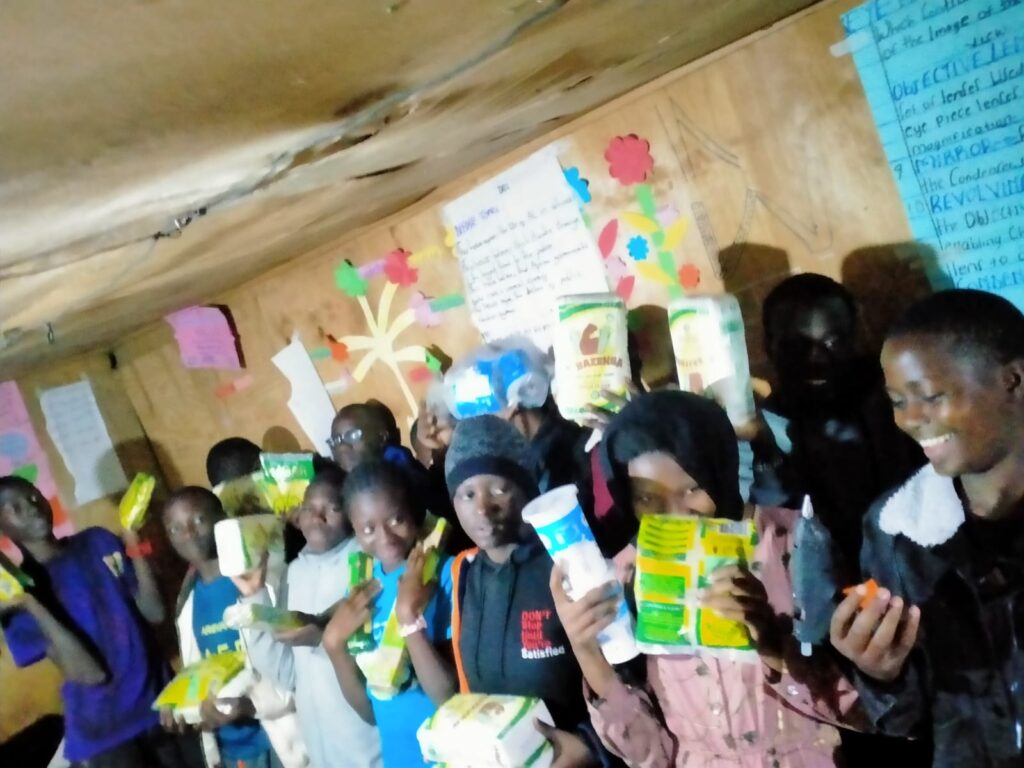
Thanks to Smiley, Tutor Web, and ChallengeAid, this story is changing. Weekly distributions and school feeding programs are helping children come to class ready to learn. Kids who once skipped school are now showing up consistently. Teachers report sharper attention. Parents see the value of education rising alongside every meal served. Early research shows that schools with consistent meals record better attendance, focus, and even improved exam scores.
But the challenge is far from over. Many informal schools in Mathare still miss out on feeding programs. Without government or community support, some kids are left to choose between staying home hungry or showing up to learn on an empty stomach.
So yes, feeding programs matter—deeply.
They turn classrooms into safe spaces, restore dignity, and remind every child that learning should never depend on whether or not they’ve eaten.
We are deeply grateful to our partners for making this possible. Together, we’re not just feeding children—we’re nurturing minds, building resilience, and creating opportunities for every child in Mathare to thrive.